
Invisible Aligners Custom-made by Experienced Orthodontists for Kids & Teenagers
BOOK AN APPOINTMENT
Kid suffering from misaligned, crooked teeth or teeth protruding out with difficulty in eating? Connect with us & we'll arrange a callback!
Kids Dental Alignment Issues we Resolve
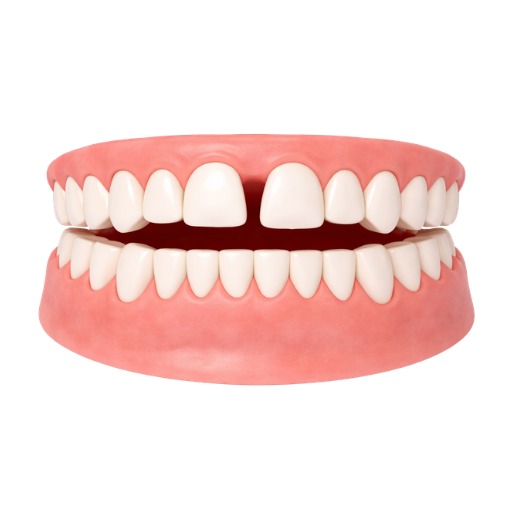
TEETH GAP
Gaps between teeth are a common alignment concern where spaces appear between one or more teeth. The good news is that these gaps can be gently and effectively closed without surgical intervention, using invisible braces, helping create a more even and confident smile.
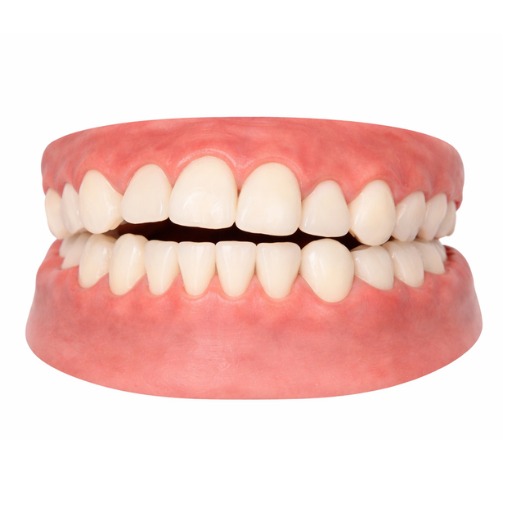
OPEN BITE
When the upper and lower teeth don’t come together properly—either at the front or the back—when the mouth is closed, it’s called an open bite. The good news is that this can be comfortably corrected with clear aligners, helping restore a natural, balanced bite.
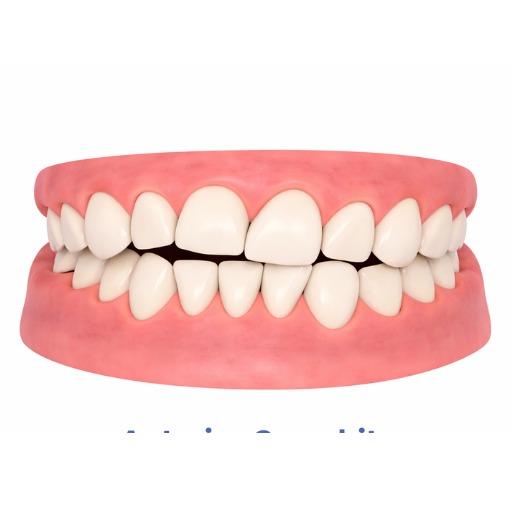
CROSS-BITE
When the upper and lower teeth don’t align properly as the jaws close, it leads to a bite misalignment. This can be effectively corrected with invisible braces, helping bring the teeth into the right position for a healthier, more balanced smile.
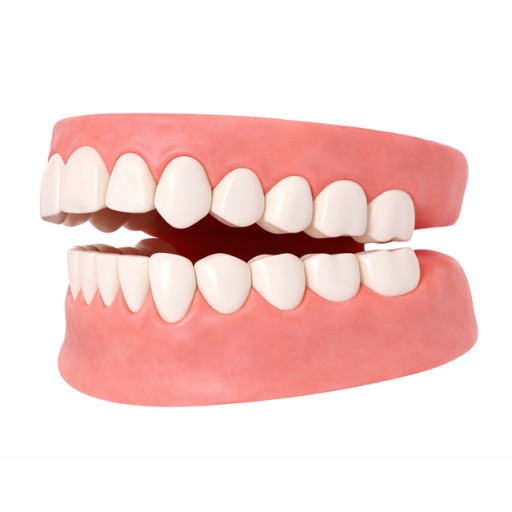
FORWARDLY PLACED
When the upper teeth extend too far ahead of the lower teeth, it creates an overbite. This can be gently corrected with clear aligners, which help guide proper jaw alignment and improve the overall bite.
Invisalign - Superior Quality & Very Affordable
At Center For Invisalign, our aligners are proudly made in India and crafted by advanced, 3D printing labs. This allows us to maintain exceptional quality while offering US FDA 510(k) cleared aligners—at a cost comparable to traditional braces.
Every smile is unique, which means treatment costs can vary. Simpler cases require fewer aligners, while more complex corrections involve additional aligners, time, and expert care from our orthodontists.
Clear aligners like Invisalign represent a smarter, more comfortable way to straighten teeth—without the inconvenience of metal braces. Using advanced 3D digital scans and precision planning, our orthodontic experts design a fully personalized treatment journey.
Whether it’s crowding, gaps, or bite alignment issues, clear aligners offer a discreet, flexible solution that fits seamlessly into your everyday life—so you can improve your smile without disrupting it.
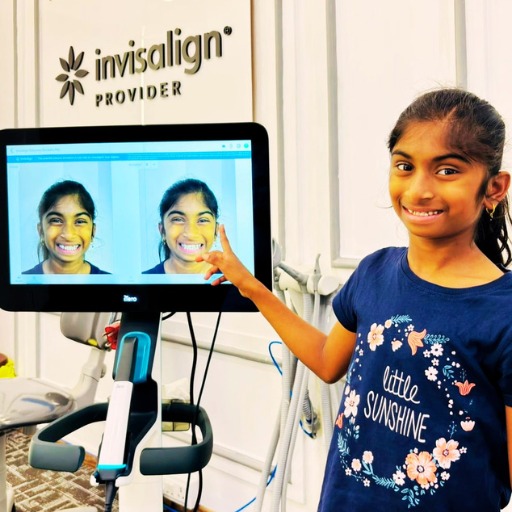
Invisalign in 3 Easy Steps
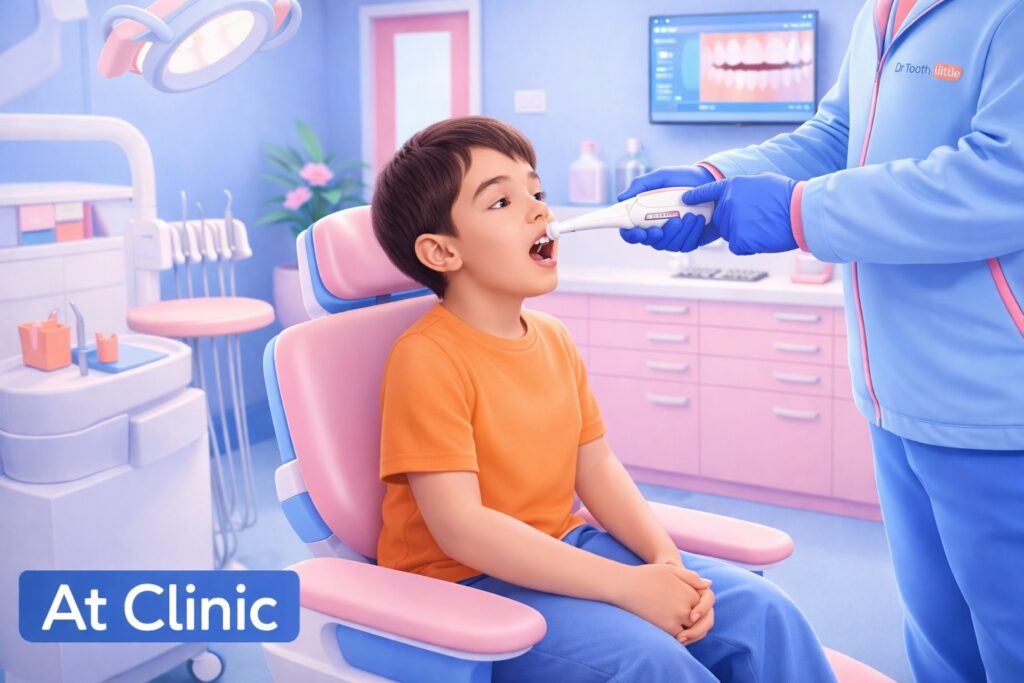
Meet with the dentist
Book a scan at any of our 7+ dental experience centers for a detailed examination and consultation with our orthodontist, Using the iTero Element® scanner, the dentist can take a fast and precise 3D digital scan of the teeth and map out a custom treatment plan just for you

Get the teeth measured, scanned and fitted
This is a key step in the procedure. Since your comfort comes first, our dentists will measure the teeth, get the aligners made, ensure they fit well, answer your concerns, and let you know what to expect
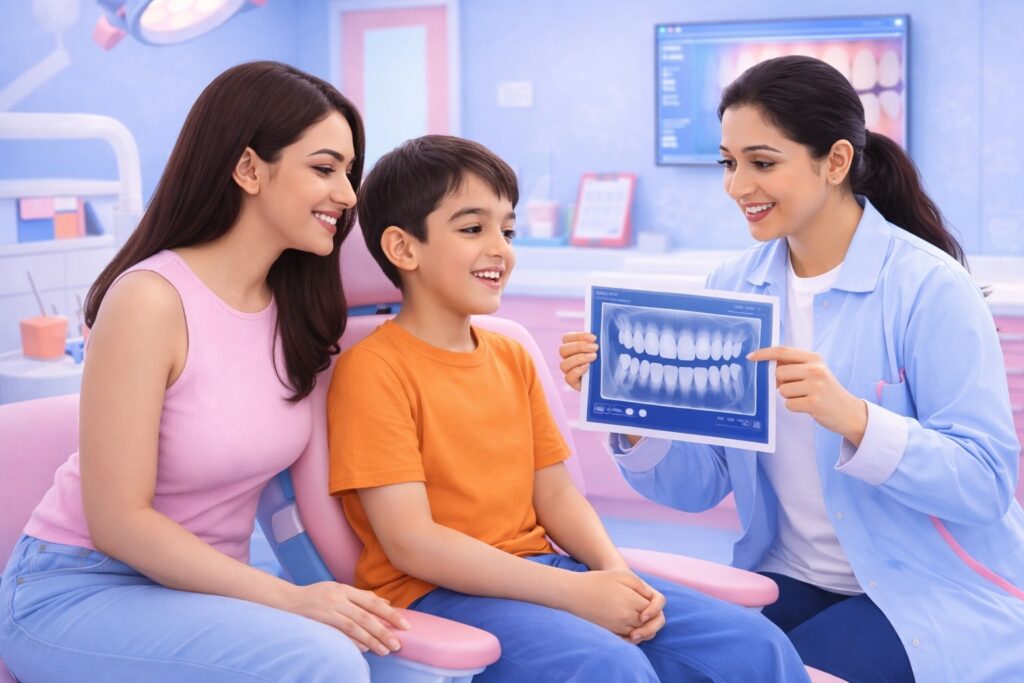
Follow-up with regular checkups & assessments for comfort
Getting yourself fitted with the Invisalign™ aligners is the easier, surest way of taking care of several alignment & teeth issues. Your smile is transformed, and all of it keeping hygiene and comfort in mind
What Parents Say
EXCELLENTTrustindex verifies that the original source of the review is Google. ExcellentPosted onTrustindex verifies that the original source of the review is Google. Little tooth is really a wonderful place for children. Dr Reena is so gentle and loving with children. We really loved the way she deals with children. We are so happy to find a dentist like Dr Reena for my kid. Thank you toothlittle team for creating such a great environment for children. Kudos to the entire team.Posted onTrustindex verifies that the original source of the review is Google. Lovely new place!Posted onTrustindex verifies that the original source of the review is Google. Wonderful experience at the clinic today. Dr. Sruthi was extremely kind, patient, and gentle. Made my child feel comfortable throughout. Couldn’t have asked for a better experience. Highly recommended! 🌟Posted onTrustindex verifies that the original source of the review is Google. Had a very good experience at dr tooth little dr reena was very kind patient and explained everything clearly the supporting staff was also very helpful and friendly highly recommend 🤍Posted onTrustindex verifies that the original source of the review is Google. Great experience at the clinic. . Dentist is also very friendly with the children. . So must recommend it to other parents also.Posted onTrustindex verifies that the original source of the review is Google. My son Aanjan always been scared of dentists, but Dr. Reena's professionalism and care made him completely change his mind. SHe used sophisticated instruments and was very patient, and her staff followed up even after his treatment was finished. He finally overcame his fear of the dentist thanks to this Dr. Tooth Little, kalyan nagar clinic".Posted onTrustindex verifies that the original source of the review is Google. Doctor is very friendly and understanding.Posted onTrustindex verifies that the original source of the review is Google. I would like to express my heartfelt appreciation for the wonderful care my son received at Tooth Little Dentist Clinic. We visited the clinic a few times for his pulpactomy treatment and stain cleaning, and each experience was absolutely excellent. Dr. Reena was truly fabulous throughout the entire process. She has an exceptional way with children—she understands their pulse, knows exactly how to make them comfortable, and manages them with such patience and expertise that the treatment gets done smoothly. My son genuinely enjoyed his time during the sessions, which speaks volumes about the environment Dr. Reena creates and the trust she builds with her young patients. I highly appreciate the professionalism, warmth, and quality of treatment provided. I strongly recommend Dr. Reena and Tooth Little Dentist Clinic HRBR to any parent looking for outstanding dental care for their children.
- FAQs
Find answers To Common Questions About Invisalign for Children
What is Invisalign and how does it work?
Invisalign is a clear aligner system used to straighten teeth without metal braces. It uses a series of custom-made, removable trays that gradually shift your teeth into the desired position over time.
How long does Invisalign treatment take?
Invisalign treatment typically takes 6 to 18 months, depending on the complexity of your case. Mild alignment issues may take less time, while more complex cases can take longer.
Is Invisalign better than braces?
Invisalign is often preferred for its invisible appearance, comfort, and removability. However, traditional braces may be more effective for severe alignment issues. The best option depends on your specific dental condition.
At what age can children get Invisalign?
Invisalign can be used for children as early as 6–10 years old with a treatment option called Invisalign First, which is designed for kids who still have a mix of baby and permanent teeth. However, it is more commonly used from around 11 years and above, once most permanent teeth have come in. The exact age depends on the child’s dental development and their ability to wear the aligners consistently, so an orthodontist evaluation is recommended.